
What are we dealing with?
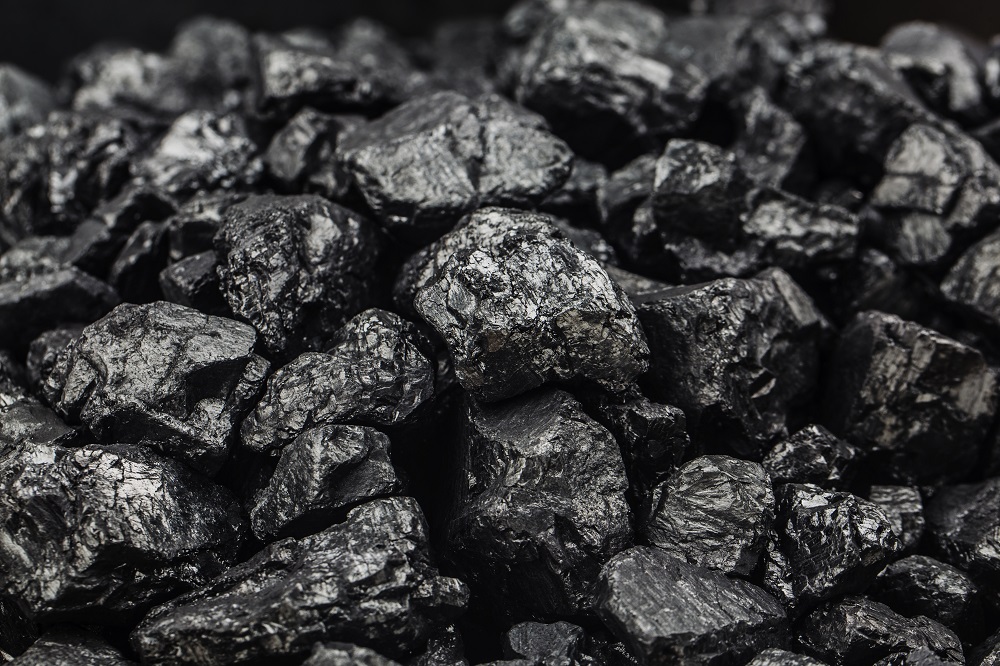
Types of coal and its main characteristics
Coal is very different from mineral rocks, which consist of inorganic material. Coal consists of a brittle vegetable substance and undergoes many changes before it becomes the usual black and shiny substance burned as fuel. Types of coal are represented by various characteristics.
Coal goes through various phases of carbonation over millions of years, and it can be found at all stages of development in different parts of the world.
PEAT
Peat is not coal, but under certain circumstances it can eventually turn into coal. Peat is an accumulation of partially rotted vegetation that has undergone a small amount of carbonation.
However, peat is still considered part of the “family” of coal because it contains the energy that its original plants contained. It also contains a large amount of volatile substances and gases, such as methane and mercury, which, when burned, pose a danger to the environment.
Peat retains enough moisture to be spongy. It can absorb water and expand the swamp, forming more peat. This makes it a valuable means of protecting the environment from floods. Peat can also be integrated into the soil to help it retain and slowly release water and nutrients. For this reason, peat and the so-called “peat moss” are valuable for gardeners.
BROWN COAL
Brown coal is the lowest grade of coal. It has charred so much that it has turned into peat, but it contains a small amount of energy — the carbon content in it is about 25-35%. It is extracted from relatively young coal deposits, which are about 250 million years old.
Brown coal, a crumbly brown rock, also called brown coal or rosebud, retains more moisture than other types of coal. This makes it expensive and dangerous to mine, store and transport. It is prone to accidental combustion and releases a lot of carbon dioxide during combustion. Most of the brown coal is used in power plants located very close to the place of its extraction.
SUBBITUMINOUS COAL
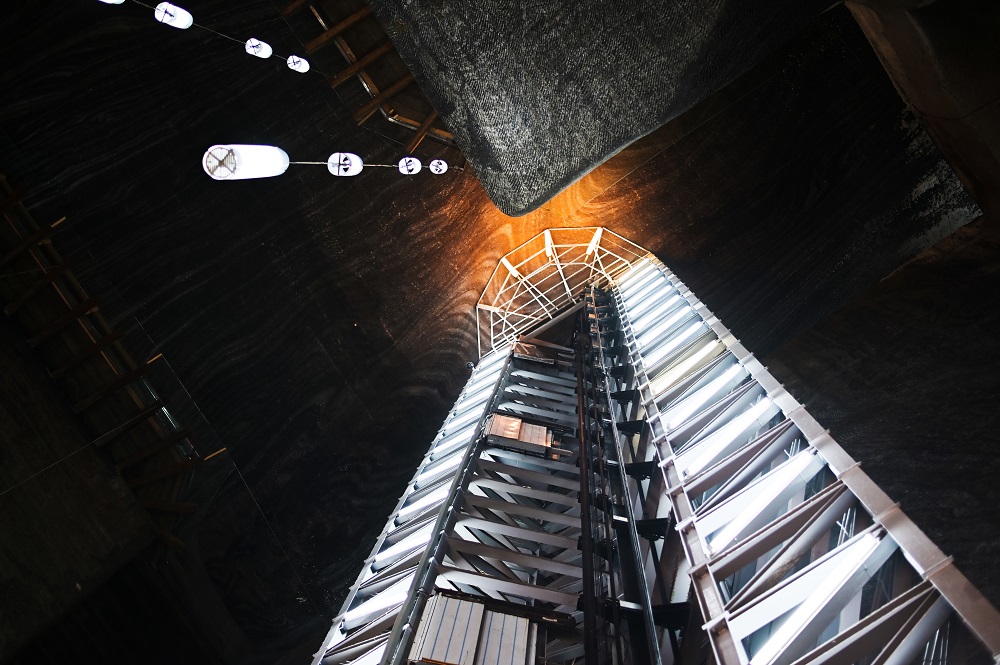
The age of subbituminous coal is about 100 million years. It contains about 35-45% more carbon than brown coal. In many parts of the world, subbituminous coal is considered “brown coal” along with brown coal. Like brown coal, subbituminous coal is mainly used as fuel for electricity generation.
BITUMINOUS COAL
Bituminous coal is formed with greater heating and pressure, and its age ranges from 100 to 300 million years. It is named after a sticky, resin-like substance called bitumen, which is also found in oil. It contains about 45-86% carbon.
Coal is a sedimentary rock, and bituminous coal often contains “stripes” of various consistencies that mark the layers of plant material that have been compressed.
Bituminous coal is divided into three main types: forge coal, cannel coal and coking coal. Blacksmithing coal has a very low ash content and is ideal for forges where metals are heated and molded.
Cannel coal was widely used as a source of coal oil in the 19th century. Coal oil is produced by heating fluted coal with a controlled amount of oxygen, a process called pyrolysis. Coal oil was used mainly as fuel for street lamps and other lighting. The widespread use of kerosene reduced the use of coal fuel in the 20th century.
Metallurgical (known as Met, Coking or Steelmaking) Coal. This grade of coal is different than Thermal coal (energy and heat production) as its primary use is to produce steel. This specific grade of coal is used to produce coke, which is a pure form of carbon that then mixes with raw iron to produce steel. This steel is then used for anything from the steel utensils in your home, your vehicle and the major infrastructure developments. Chances are if you see something steel it is a result from coking coal.
ANTHRACITE
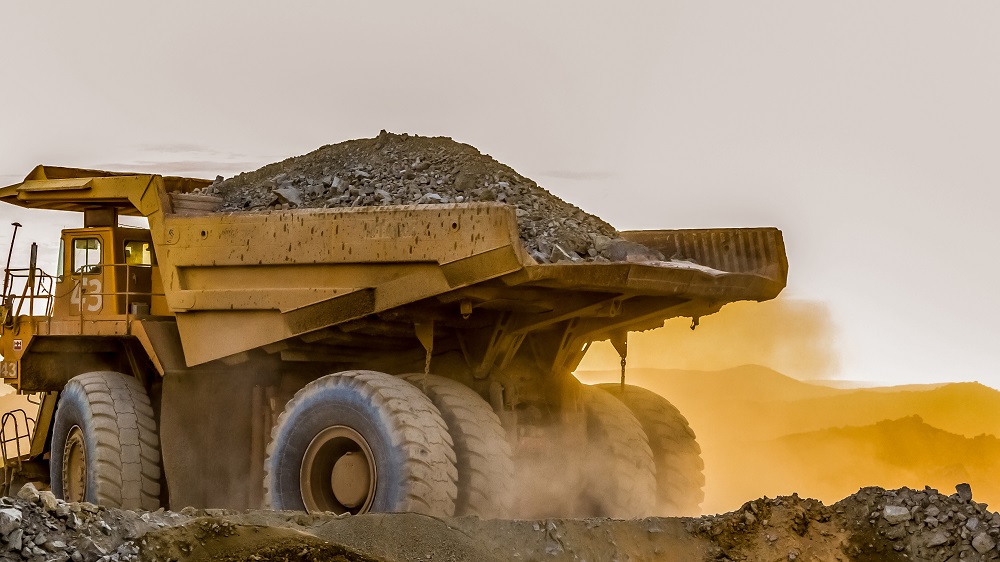
Anthracite is the highest grade of coal. It contains the largest amount of carbon, up to 97%, and therefore contains the most energy. It is harder, denser and more shiny than other types of coal. Almost all of the water and carbon dioxide has been removed, and it does not contain the soft or fibrous areas that occur in bituminous coal or brown coal.
Since anthracite is a high-quality coal, it burns cleanly, with very little soot. It is more expensive than other coals and is rarely used in power plants. Instead, anthracite is mainly used in furnaces and furnaces.
Anthracite is also used in water filtration systems. It has smaller pores than sand, so more harmful particles are trapped in it. This makes the water safer for drinking, sanitation and industry.
GRAPHITE
Graphite is an allotrope of carbon, which means that it is a substance consisting only of carbon atoms. (Diamond is another allotrope of carbon.) Graphite is the final stage of the carbonation process.
Graphite conducts electricity well and is commonly used in lithium-ion batteries. Graphite can also withstand temperatures up to 3000°Celsius (5400°Fahrenheit). It can be used in products such as fire-resistant doors, and in rocket parts such as nose cones. However, the most common use of graphite is probably as pencil “slates”.
Although we offer a wide range of coal grades, we can guarantee the quality of the products supplied and ensure an uninterrupted shipment schedule at competitive prices. Our customers can be sure that they will receive the best offer, both in terms of price and quality.
A wide range of coal brands, flexible pricing policy and affordable prices make our products popular on the market. In order to buy coal, it is enough to contact the company’s managers in any convenient way.